
Local SEO Strategies for Small Businesses: A Complete Guide
In today’s digital-first world, local search engine optimization (SEO) is no longer optional it’s a necessity. Whether you’re a coffee shop in Portland, a landscaping service in Tampa, or a yoga studio in Des Moines, local SEO can be the game-changer that drives customers straight to your door.
In this comprehensive guide, we’ll explore proven local SEO strategies for small businesses, helping you improve visibility, outrank competitors, and ultimately increase foot traffic and revenue. Let’s dive in.
What Is Local SEO and Why Does It Matter for Small Businesses?
Local SEO refers to the process of optimizing your online presence to attract more business from relevant local searches on Google and other search engines. These searches usually include location-based queries like:
- “Best dentist near me”
- “Pizza delivery in Chicago”
- “Hair salon downtown Austin”
Local SEO matters because:
- 46% of all Google searches have local intent.
- 76% of people who search for something nearby visit a business within a day.
- 28% of those searches result in a purchase.
If you’re a small business and not leveraging local SEO strategies, you’re missing out on a massive chunk of your potential market.
1. Optimize Your Google Business Profile (GBP)
Your Google Business Profile (formerly Google My Business) is the cornerstone of any local SEO strategy.
Tips to Optimize Your GBP:
- Claim and verify your business listing.
- Use your exact business name.
- Choose the right business category.
- Add your address, phone number, hours, and website.
- Upload high-quality photos of your storefront, team, products, and services.
- Post regular updates or offers via Google Posts.
- Respond to reviews—positive and negative—with professionalism.
An optimized GBP increases your chances of appearing in Google’s Local Pack and on Google Maps, both of which are critical for local visibility.
2. Ensure Consistency with NAP (Name, Address, Phone Number)
Google values consistency. Your business name, address, and phone number (NAP) should be the same across all digital platforms, including:
- Your website
- Social media profiles
- Local directories (Yelp, Yellow Pages, etc.)
- Online citations
Even small discrepancies—like “Street” vs. “St.”—can confuse search engines and hurt your rankings.
3. Use Local Keywords Strategically
Targeting the right local keywords helps your business appear in search results when potential customers are looking for services in your area.
How to Find Local Keywords:
- Use tools like Google Keyword Planner, Ahrefs, or Ubersuggest.
- Add geo-modifiers to base keywords: “plumber” becomes “plumber in Phoenix” or “emergency plumber Tempe.”
- Think like a customer. What would you search for?
Where to Use Local Keywords:
- Page titles
- Meta descriptions
- Headings (H1, H2)
- URL slugs
- Image alt text
- Within the body content
Make sure keywords are used naturally—avoid stuffing.
4. Create Location-Specific Landing Pages
If you serve multiple locations, build dedicated landing pages for each city or neighborhood.
Benefits:
- Increases relevance for geo-specific searches
- Helps each page rank independently
- Provides more focused user experiences
Each page should include:
- Unique content
- Local reviews or testimonials
- Embedded Google Maps
- Local business schema markup (more on this later)
5. Build Local Citations and Directory Listings
Citations are online mentions of your business, including NAP details. High-quality, consistent citations improve your credibility and boost your local SEO.
Top Directories to List Your Business:
- Yelp
- Bing Places
- Apple Maps
- YellowPages
- BBB.org
- Chamber of Commerce websites
Use a citation management tool like Moz Local, Yext, or BrightLocal to streamline this process.
6. Encourage and Manage Online Reviews
Reviews are a trust signal—both for customers and search engines. Google uses review quantity, diversity, and sentiment as ranking factors.
Best Practices:
- Ask satisfied customers to leave a review (via email or in-person).
- Make it easy: provide direct links to your review page.
- Respond promptly and courteously to all reviews.
- Never fake reviews—it’s unethical and penalized by platforms.
Positive reviews can increase click-through rates and drive conversions.
7. Leverage Local Backlinks
Backlinks are links from other websites to yours. Local backlinks from reputable community sources can significantly boost your local SEO.
Sources for Local Backlinks:
- Local news sites
- Chambers of commerce
- Community blogs
- Local event pages
- Sponsorships or partnerships with other local businesses
Reach out with personalized emails, offer value, and build genuine relationships in your community.
8. Add Structured Data (Schema Markup)
Schema markup helps search engines understand your content better. For local businesses, implementing Local Business schema is particularly useful.
Key Elements to Include:
- Business name
- Address
- Phone number
- Business hours
- Reviews
- Geo-coordinates
Use Google’s Structured Data Markup Helper or tools like Schema.org to implement schema on your site.
9. Optimize for Mobile and Voice Search
More than 60% of local searches come from mobile devices, and voice searches like “Where’s the nearest tire shop?” are rising rapidly.
How to Optimize:
- Use a mobile-responsive website design.
- Ensure pages load quickly (under 3 seconds).
- Include conversational phrases and long-tail keywords to match voice queries.
- Focus on “near me” optimization in your content.
10. Create Locally Relevant Content
Producing valuable, locally focused content can establish your authority and relevance.
Content Ideas:
- Blog posts about local events or news
- Case studies or success stories from local clients
- “Top 10 places to eat in [City]” lists (if relevant)
- Local guides or how-tos
- Highlighting community involvement or sponsorships
This type of content earns backlinks and increases time-on-site metrics.
11. Monitor Performance and Adjust
Finally, local SEO is not “set it and forget it.” Regular monitoring helps you stay on track.
Track with These Tools:
- Google Analytics – See traffic sources and behavior.
- Google Search Console – Identify search queries and technical issues.
- Google Business Profile Insights – Review views, calls, directions, and clicks.
- Rank tracking tools like BrightLocal or Whitespark – See how you perform locally.
Analyze data monthly and adjust your strategy as needed.
Local SEO Checklist for Small Businesses
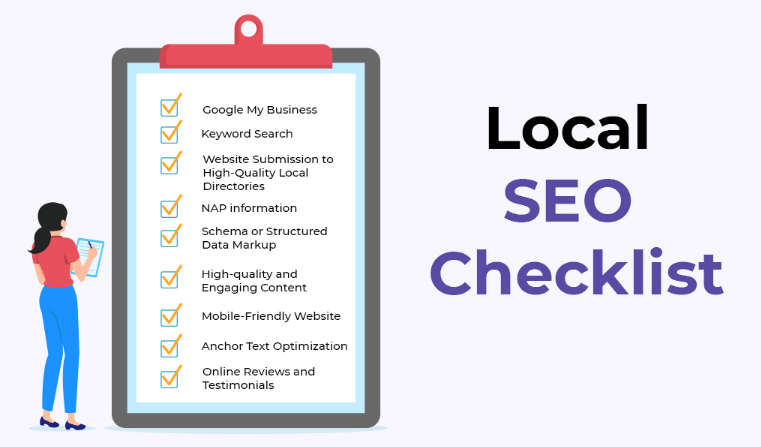
Here’s a quick summary you can refer back to:
✅ Claim and optimize your Google Business Profile
✅ Ensure consistent NAP across all platforms
✅ Target relevant local keywords
✅ Create city-specific landing pages
✅ Build local citations
✅ Encourage and respond to online reviews
✅ Earn backlinks from local sources
✅ Implement LocalBusiness schema
✅ Make your site mobile-friendly
✅ Produce local content regularly
✅ Monitor analytics and refine your strategy
Dominate Local Search and Grow Your Small Business
Local SEO can feel overwhelming, but it doesn’t have to be. Start with the basics claim your GBP, optimize your website, and build citations. Then layer in more advanced strategies like schema markup, local content, and backlinks.
By consistently applying these local SEO strategies for small businesses, you can build long-term visibility and attract more customers right in your neighborhood.
Remember: the people searching for your services are already nearby and ready to buy. Make sure you show up when and where they’re looking.